


It’s 8:00 a.m.
Your alarm goes off. You open your eyes, reach for your phone, and immediately wish you could sleep for another three hours.
You check the time.⏰
You slept for eight hours.
That should be enough, right?
But somehow, you feel like you barely slept at all.
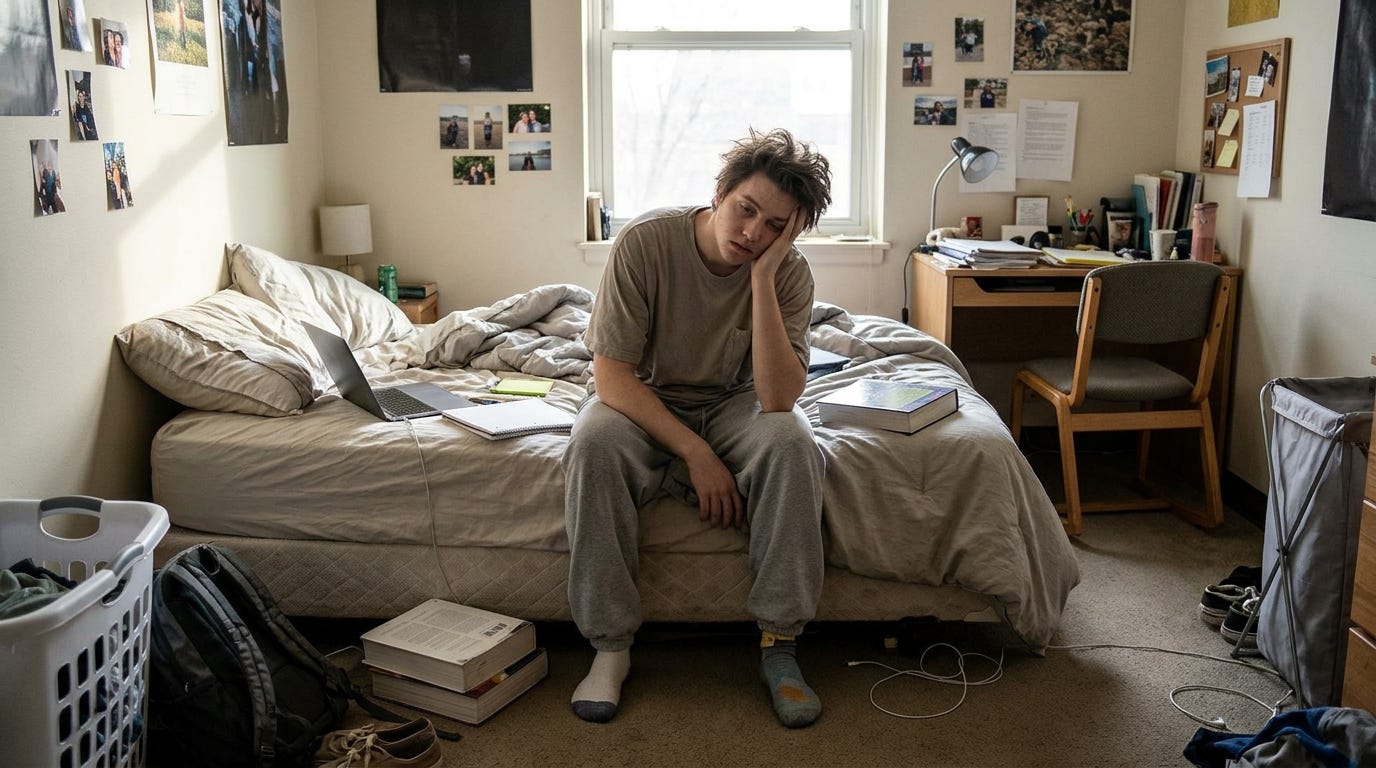
You drag yourself out of bed, make some coffee, and head to class. By the time your professor starts talking, you’re already thinking about your next nap.
Sound familiar?🤔
For many college students, feeling tired has become such a normal part of life that they barely question it anymore.
But here’s something worth understanding:
Sleeping for eight hours doesn’t always mean you’re getting the rest your body needs.
And sometimes, the problem isn’t simply how long you sleep.
1. You’re Sleeping Enough Hours, but Not Getting Good Sleep
Imagine spending eight hours in bed but waking up several times during the night.
Maybe your roommate is watching videos. Maybe your phone keeps lighting up. Or maybe your room is too warm.
You might not remember every time your sleep was interrupted, but those interruptions can affect how rested you feel.
Sleep isn’t just about the number of hours you spend in bed.
Your brain and body move through different stages of sleep throughout the night. These stages help with memory, learning, physical recovery, and other important functions.
When your sleep is repeatedly interrupted, you may wake up feeling less refreshed.
What can help?
Try making your bedroom quieter, darker, and comfortably cool.
If you live in a dorm, consider earplugs or an eye mask.
And if your phone keeps waking you up, turn on Do Not Disturb before going to bed.
Small changes can make your sleeping environment more comfortable.
2. Your Sleep Schedule Changes Every Day
On Monday, you go to bed at 11 p.m.
On Tuesday, it’s 2 a.m.
By Friday, you’re awake until 4 a.m.
And on Sunday, you sleep until noon to make up for everything.
Welcome to college.
The problem is that your body follows an internal clock, often called your circadian rhythm.
This clock helps regulate when you feel sleepy and when you feel alert.
When your sleep schedule changes constantly, your body may struggle to adjust.
That’s one reason you can sleep late on the weekend and still feel tired on Monday morning.
What can help?
Try waking up around the same time every day, including weekends.
You don’t need a perfect schedule.
Start by keeping your wake-up time within roughly an hour of your usual routine when possible.
Getting some natural daylight in the morning can also help your body understand that it’s time to be awake.
Consistency matters more than creating a complicated nighttime routine.
3. Your Brain Never Gets a Real Break
Think about a typical college day.
You wake up and check your messages.
You attend lectures.
You study for an exam.
You worry about assignments.
You scroll through social media.
Then, just before sleeping, you remember something important you forgot to do.
Even when you’re sitting still, your mind may be working constantly.
Academic pressure, financial worries, and social stress can make it harder to relax and sleep well.
Sometimes, you feel mentally exhausted before the day even begins.
And although sleep is important, it doesn’t automatically solve every source of stress.
What can help?
Give yourself a short period each evening without schoolwork or social media.
You could take a walk, listen to relaxing music, read something enjoyable, or write tomorrow’s tasks on paper.
The goal isn’t to become more productive.
It’s to give your mind some space away from constant demands.
You don’t need to earn your rest.
4. Your Phone Is Keeping You Awake Longer Than You Think
You tell yourself you’ll watch one video before bed.
Then another.
And another.
Suddenly, it’s 1:30 a.m.
We’ve all been there.
Phones can affect sleep in more than one way.
The light from your screen, especially in the evening, can interfere with signals that help your body prepare for sleep.
But the content matters too.
Exciting videos, endless scrolling, stressful news, and late-night conversations can keep your brain alert when you’re trying to relax.
And even if you put your phone down at midnight, your mind might still be thinking about what you just watched.
What can help?
Try putting your phone away 30 minutes before bed.
If that feels impossible, start with 10 minutes.
Charge it away from your pillow.
Use a regular alarm clock if you need one.
The idea isn’t to stop using technology.
It’s to stop letting technology decide when you sleep.
5. You’re Using Coffee to Fix a Sleep Problem
Coffee is practically part of college culture.
Morning lecture? Coffee.
Afternoon study session? Coffee.
Deadline at midnight? More coffee.
Caffeine can temporarily improve alertness, which is why so many students rely on it.
But caffeine can remain in your body for hours.
That afternoon energy drink might still be affecting you when you’re trying to fall asleep.
And when you don’t sleep well, you may feel like you need even more caffeine the next day.
It becomes a frustrating cycle.
What can help?
Pay attention to when you drink coffee, tea, and energy drinks.
If you struggle to sleep, try avoiding caffeine for at least six to eight hours before bedtime. Some people may need a longer gap.
You don’t necessarily have to give up coffee.
Just remember that caffeine can hide tiredness for a while without replacing sleep.
6. You’re Not Moving Enough During the Day
Here’s something that sounds strange:
Sometimes, doing almost nothing all day can leave you feeling exhausted.
Think about the days when you spend hours sitting in lectures, studying at your desk, and scrolling on your phone.
By evening, your body feels heavy, even though you haven’t done much physical activity.
Regular movement can support better sleep, mood, and energy.
You don’t need an expensive gym membership or a complicated workout program.
What can help?
Walk around campus between classes.
Take a short walk after lunch.
Stretch during study breaks.
Try an activity you actually enjoy, whether that’s cycling, dancing, swimming, or playing a sport with friends.
Even a little movement is a good place to start.
The goal is to make physical activity a normal part of your day.
7. You Might Need More Sleep Than You Think
Eight hours is a useful target for many people, but it isn’t a magic number.
Most adults need at least seven hours of sleep regularly, and many feel better with eight or nine.
Younger students may need more.
Your personal sleep needs can also vary.
If you’re constantly cutting your sleep short during the week, one long night may not immediately make you feel fully rested.
And spending nine hours in bed doesn’t necessarily mean you slept for nine hours.
What can help?
For one week, pay attention to three simple things:
What time you go to bed.
What time you wake up.
How rested you feel in the morning.
Look for patterns rather than trying to achieve a perfect score.
If you consistently wake up tired, consider whether you need a more regular schedule, more time for sleep, or fewer nighttime interruptions.
8. Sometimes, Tiredness Has Nothing to Do With Your Habits
This is important.
Not every sleep problem can be fixed by putting your phone away or drinking less coffee.
Persistent fatigue can sometimes be related to health conditions such as anemia, thyroid problems, sleep apnea, depression, or other medical issues.
Certain medications can also cause tiredness.
For example, if you sleep for a full night but regularly wake up exhausted, snore loudly, gasp during sleep, or struggle to stay awake during the day, it’s worth talking to a healthcare professional.
You should
🎁 Free eBook: Nobody Taught Us How to Study
College teaches you a lot of things. But nobody really teaches you how to manage everything that comes with it.
That’s why we created Nobody Taught Us How to Study, a free 20-page college survival guide from StudySlack.
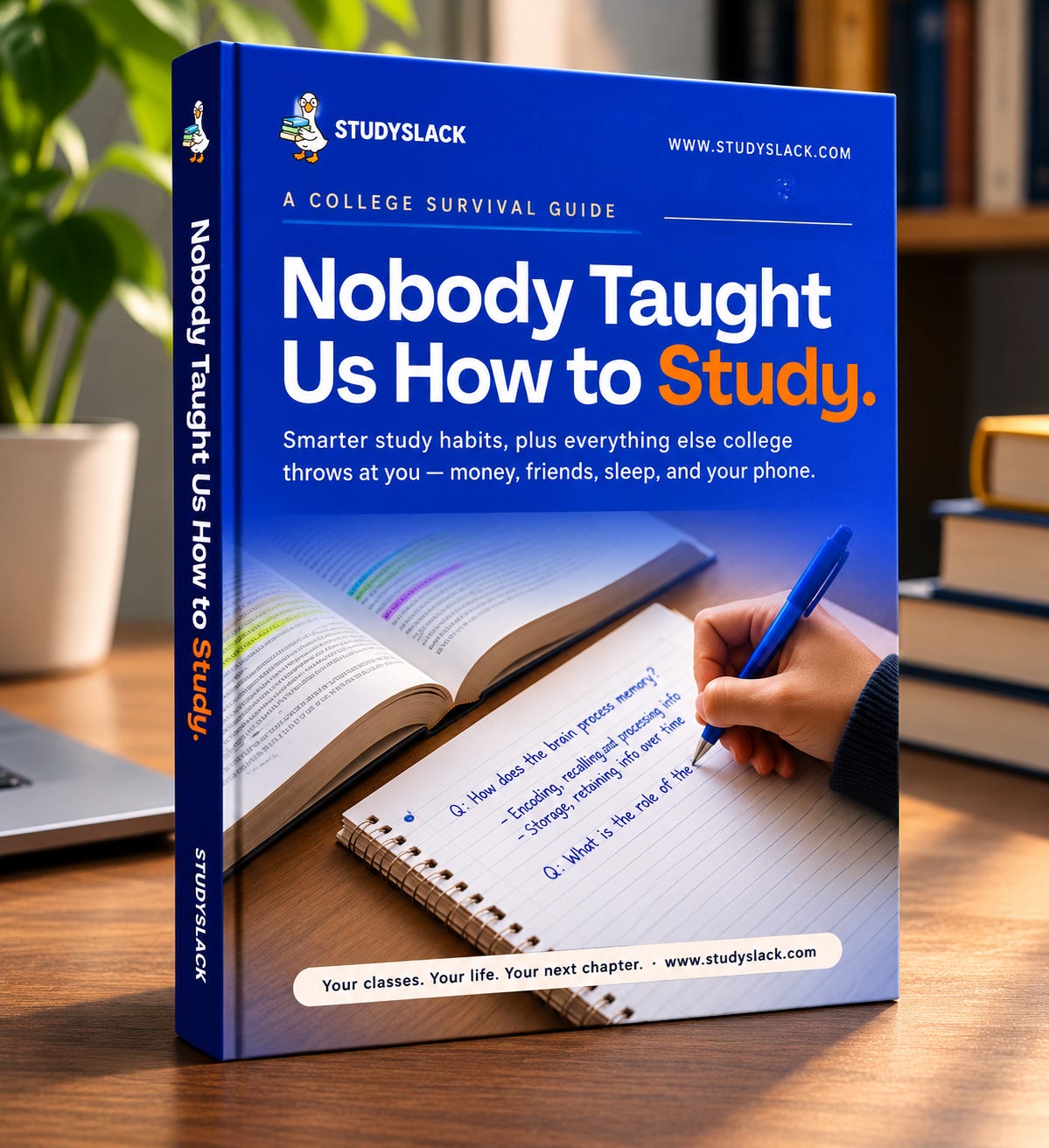
Inside, you’ll discover practical ways to study smarter, stay focused, manage your money, deal with stress, improve your sleep habits, and use AI responsibly.
StudySlack
Study smarter. Live better. Make the most of college.